Skip to content
Burden of Dreams
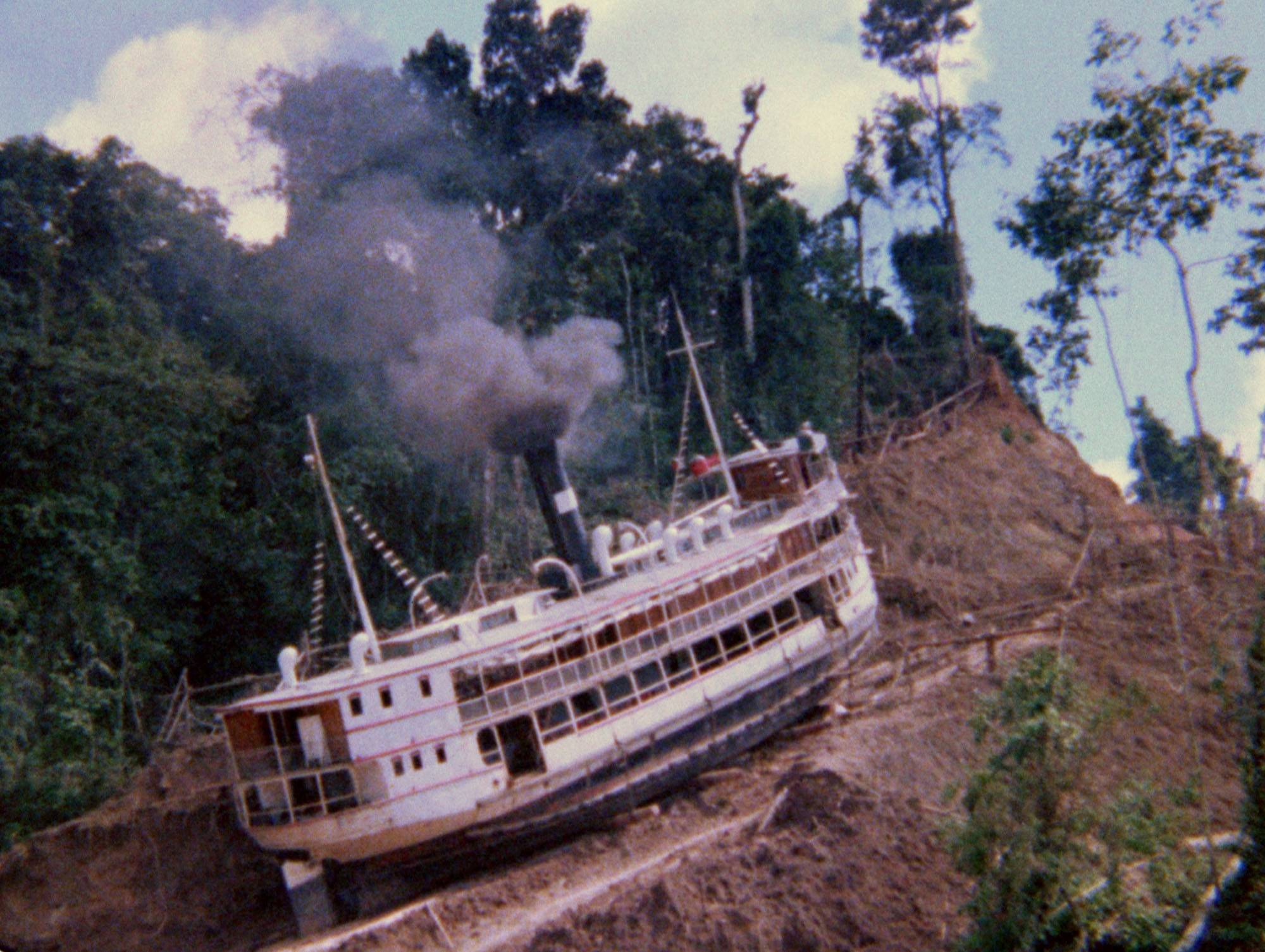
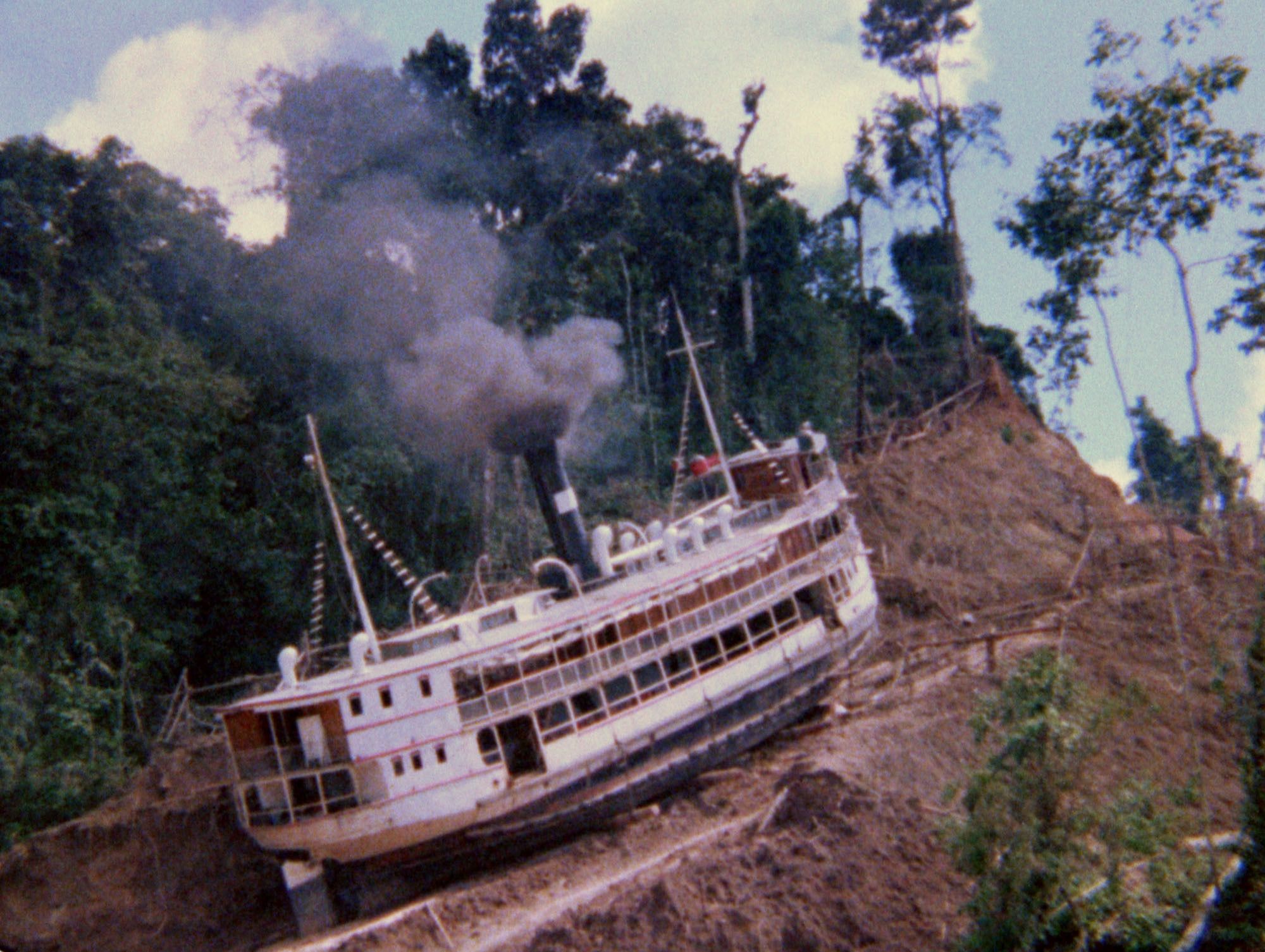
A white steamship, smoke rising, hauled up a cleared jungle hillside

A film by Les Blank

Burden of Dreams

Is making a film an act of dreaming —or carrying the weight of a dream?

Opening first at CineYama, YamanashiFollowed by cinemas across Japan

Introduction

The other story — the one that unfolds outside the finished work.

Fitzcarraldo, set in the South American Amazon, tells of a man determined to build an opera house deep in the jungle.

To make it, Werner Herzog chose to do without models or special effects and to move a real, full-size steamship over a mountain — an undertaking of almost unimaginable scale.

Les Blank turns his camera on Herzog’s company as they press on through a punishing natural environment, a change of lead actors, and conflicts that erupt on location.

What emerges is a portrait of the obsession it takes to finish a single film, and of the people drawn into that dream.

Burden of Dreams is a record of filmmaking — and, at the same time, a film that asks what it means to make a dream real.
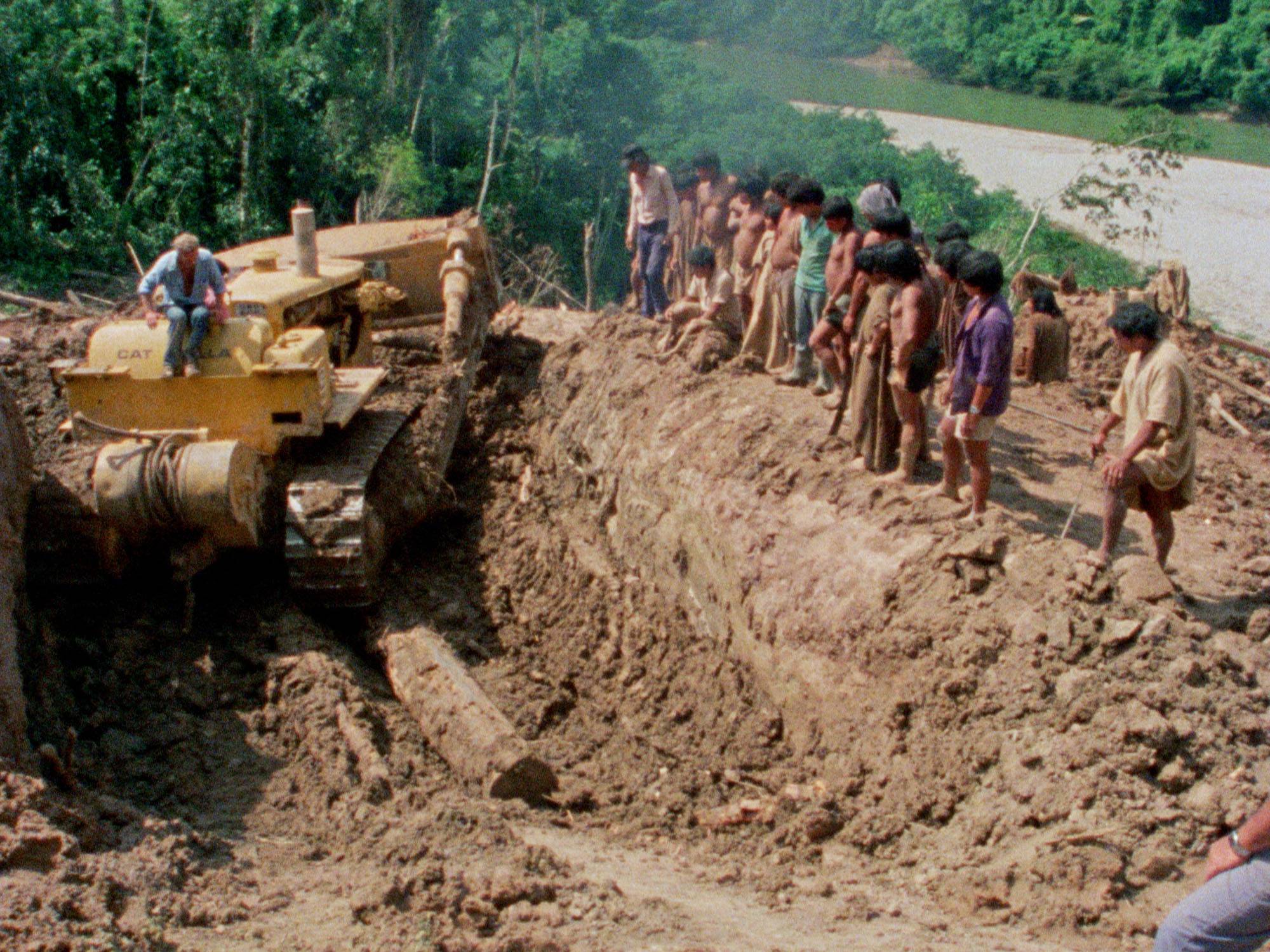
A bulldozer cutting a muddy track up the hillside as people look on
Cutting the track over the hillStill from Burden of Dreams
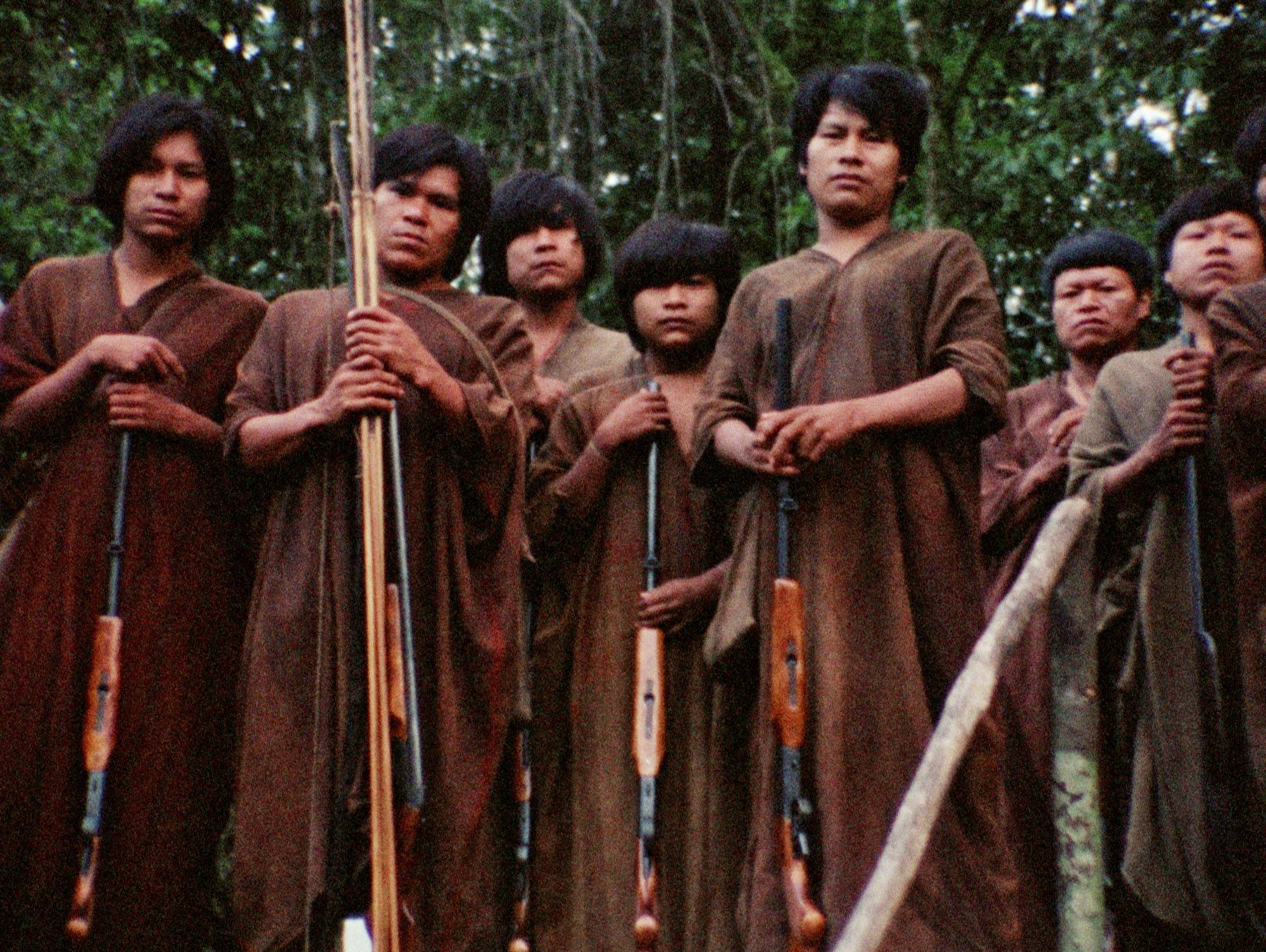
People in traditional brown robes standing together in the forest
Local participants in the productionStill from Burden of Dreams

Film details

Original title
BURDEN OF DREAMS
Director, Producer, Cinematography
Les Blank
Editing, Sound
Maureen Gosling
Featuring
Werner Herzog Klaus Kinski Claudia Cardinale and others
Year
1982
Country
United States
Genre
Feature documentary
Running time
96 min
Languages
English, Spanish, German
Subtitles
Japanese
Eirin
S-4668
Japanese distributor
CineYama LLC

Trailer

Watch on YouTube ↗

About the Film

A white steamship, smoke rising, tilted on a cleared jungle hillside
The steamship being hauled up the hillsideStill from Burden of Dreams

The hero of Fitzcarraldo sets out to haul a steamship over a mountain to realize an impossible dream. Herzog, too, set out to move a real ship in order to finish his film. Burden of Dreams records the moments where the story on screen and the reality of the shoot collide.

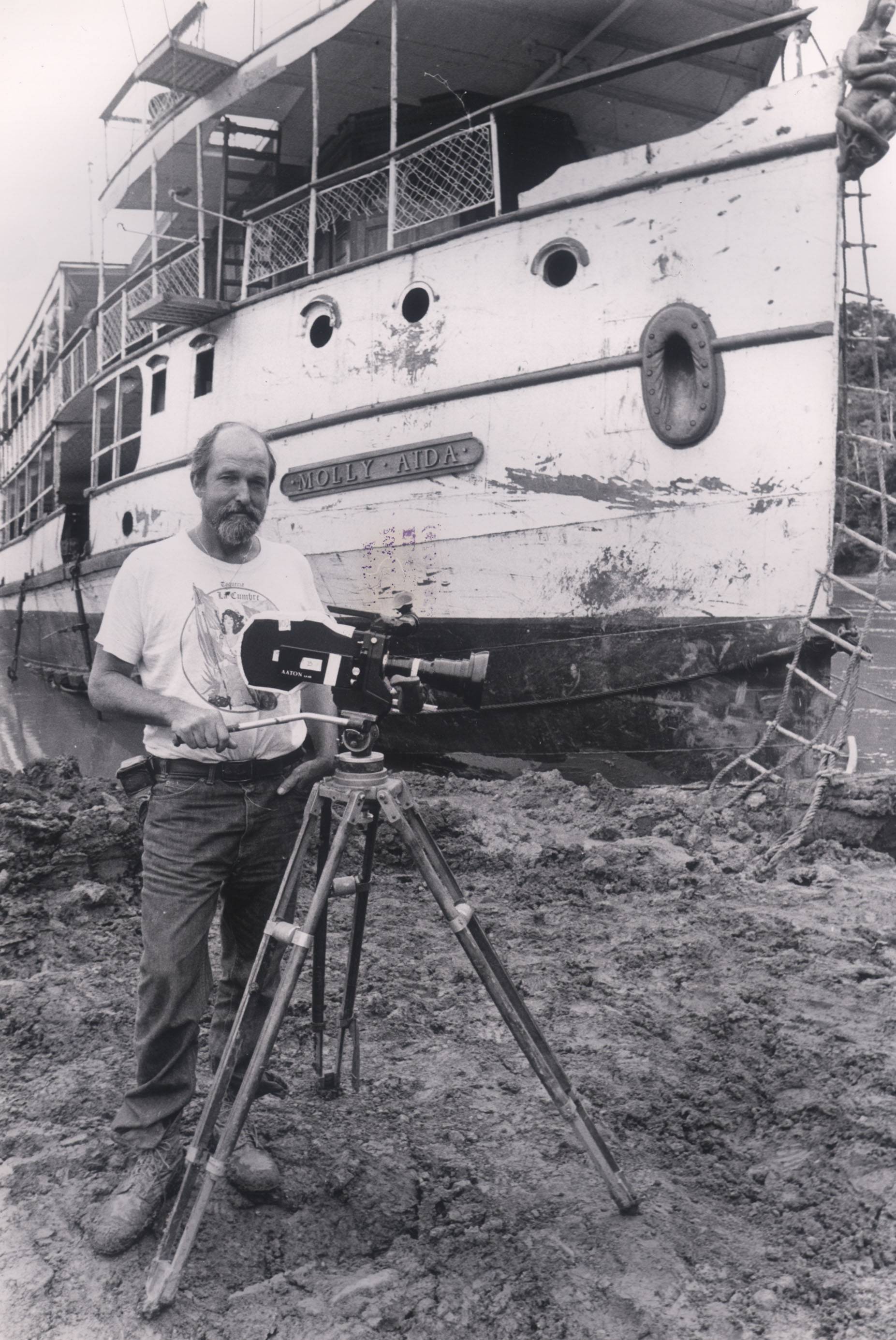
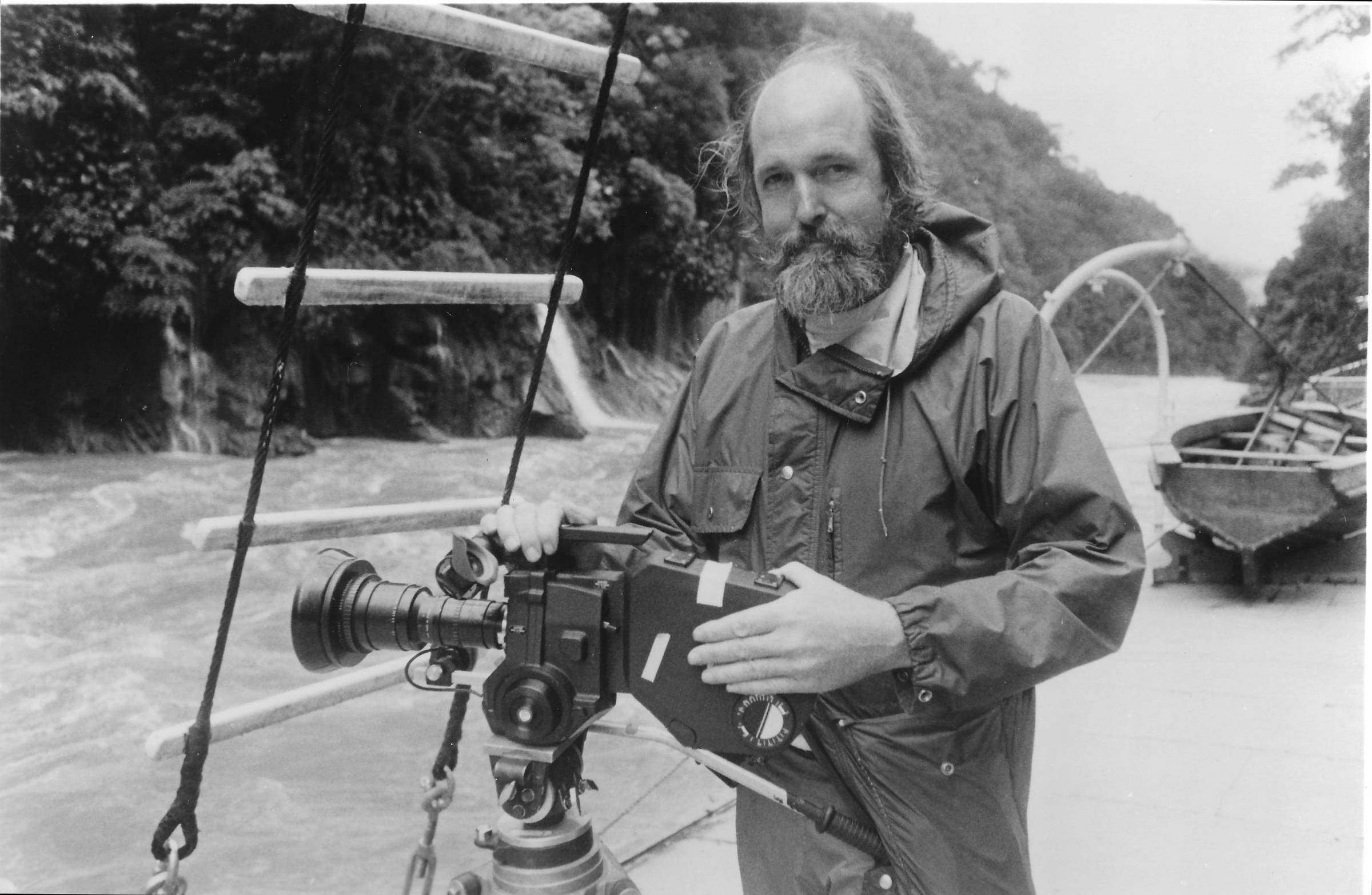
Les Blank with a camera on a tripod in front of the beached steamship (black and white)
Les Blank and the steamship Molly AidaPhoto: Maureen Gosling

Blank captured far more than the director’s words. The crew and cast, the environment, and the long stretches when nothing went to plan all remain on screen. The film reveals the complexity of filmmaking that the finished work alone could never show.

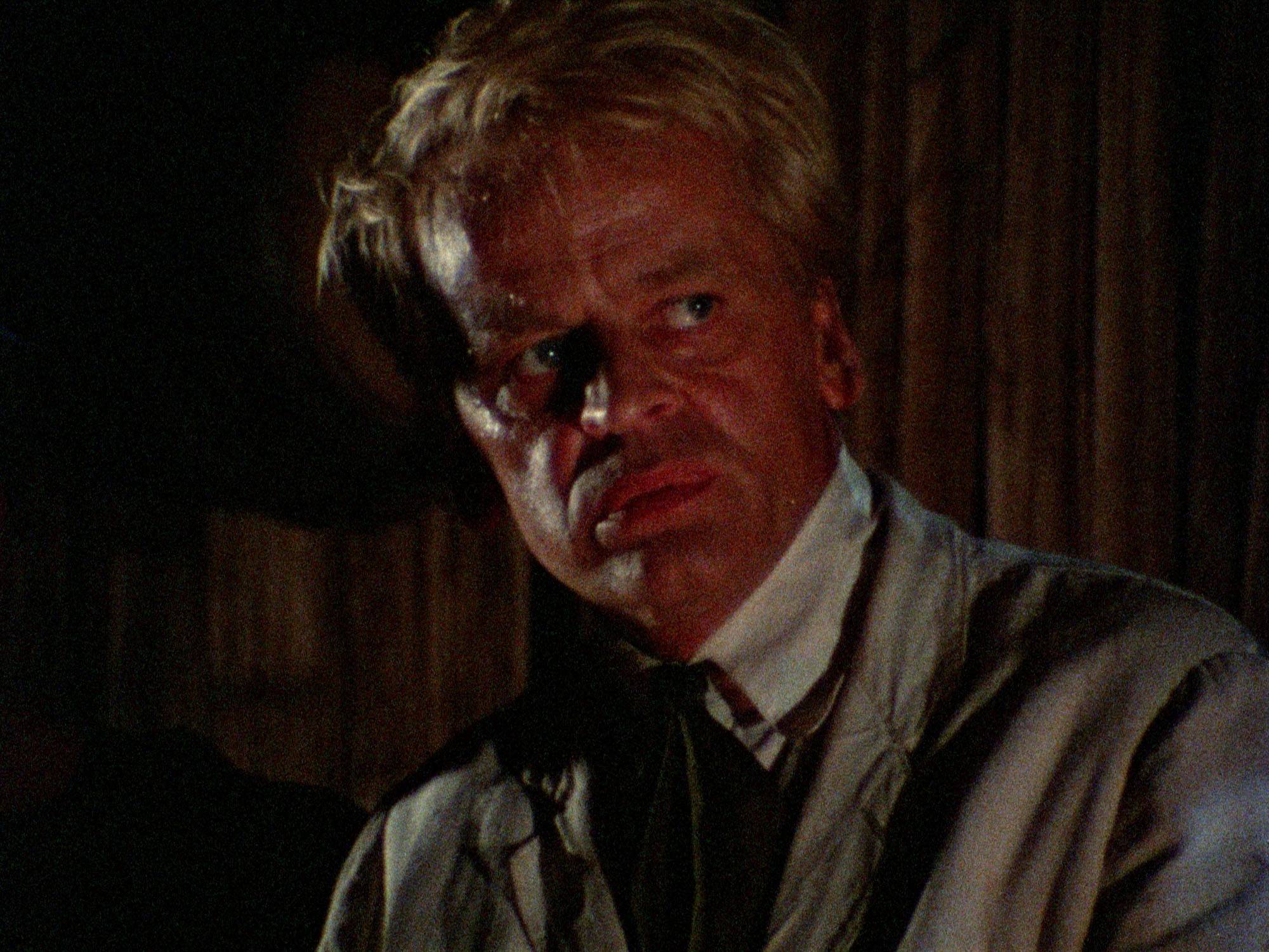
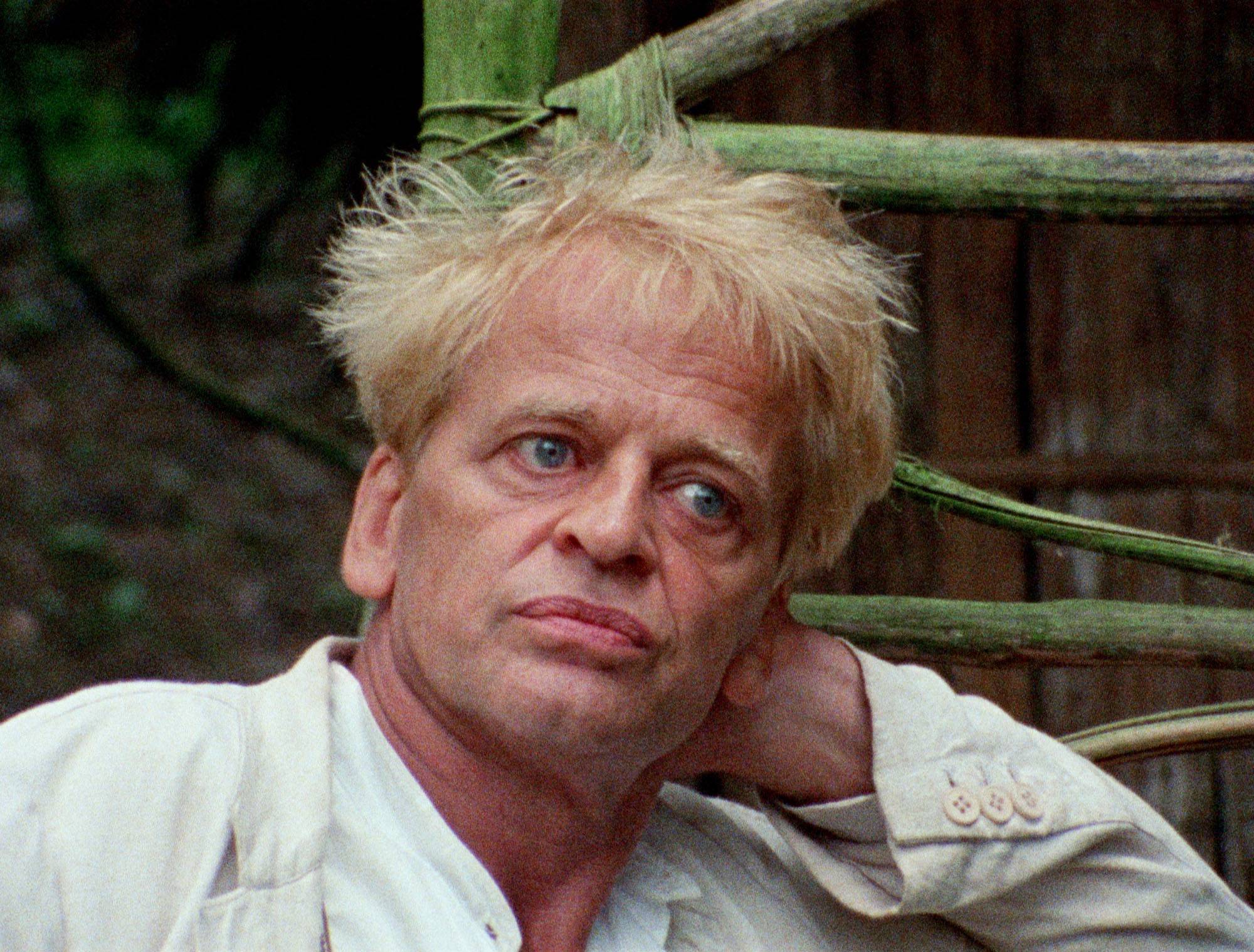
Klaus Kinski’s face half in shadow in a dim interior
Klaus KinskiStill from Burden of Dreams

Burden of Dreams is an essential document of how Fitzcarraldo was made — and it stands entirely on its own as a documentary. Seen together, the two films bring into sharper relief both a creative conviction and the contradictions of people confronting reality.

Director & People

Those who made Burden of Dreams, those who stood in front of its camera, and those who brought it back for a new generation.

Les Blank holding a 16mm camera beside the river
Photo: Maureen Gosling

Made Burden of Dreams

レス・ブランク

Director, Producer, Cinematographer1935–2013

Les Blank was an American documentary filmmaker whose work grew out of everyday life — music, food, and the communities that keep them alive. For Burden of Dreams he followed Werner Herzog's production of Fitzcarraldo, documenting the making of the film over an extended period.

Read more

From the late 1960s onward, Blank made poetic, idiosyncratic films about people living passionately at the edges of American society: Cajun, Mexican-American, Polish and Serbian-American music and food traditions, Texas bluesmen, Appalachian fiddlers, gap-toothed women, and the garlic plant itself. Rather than explaining his subjects with narration, he stayed close to faces, hands, cooking, dancing and the sound of a place — an intimate, observational approach that gives him a singular place in American independent documentary.

His friendship with Herzog is also recorded in the short Werner Herzog Eats His Shoe (1980), in which Herzog cooks and eats his shoe after losing a bet. Burden of Dreams is an unusual subject in Blank's body of work, yet its attention to people and the land they live on runs straight through his filmmaking. Blank visited Herzog's remote shoot twice, for several weeks at a time, filming alongside his editor and sound recordist Maureen Gosling.

Burden of Dreams received a British Academy Award and was released by the Criterion Collection. Among Blank's other best-loved works are Garlic Is As Good As Ten Mothers (1980) and Gap-Toothed Women (1987). He died in 2013.

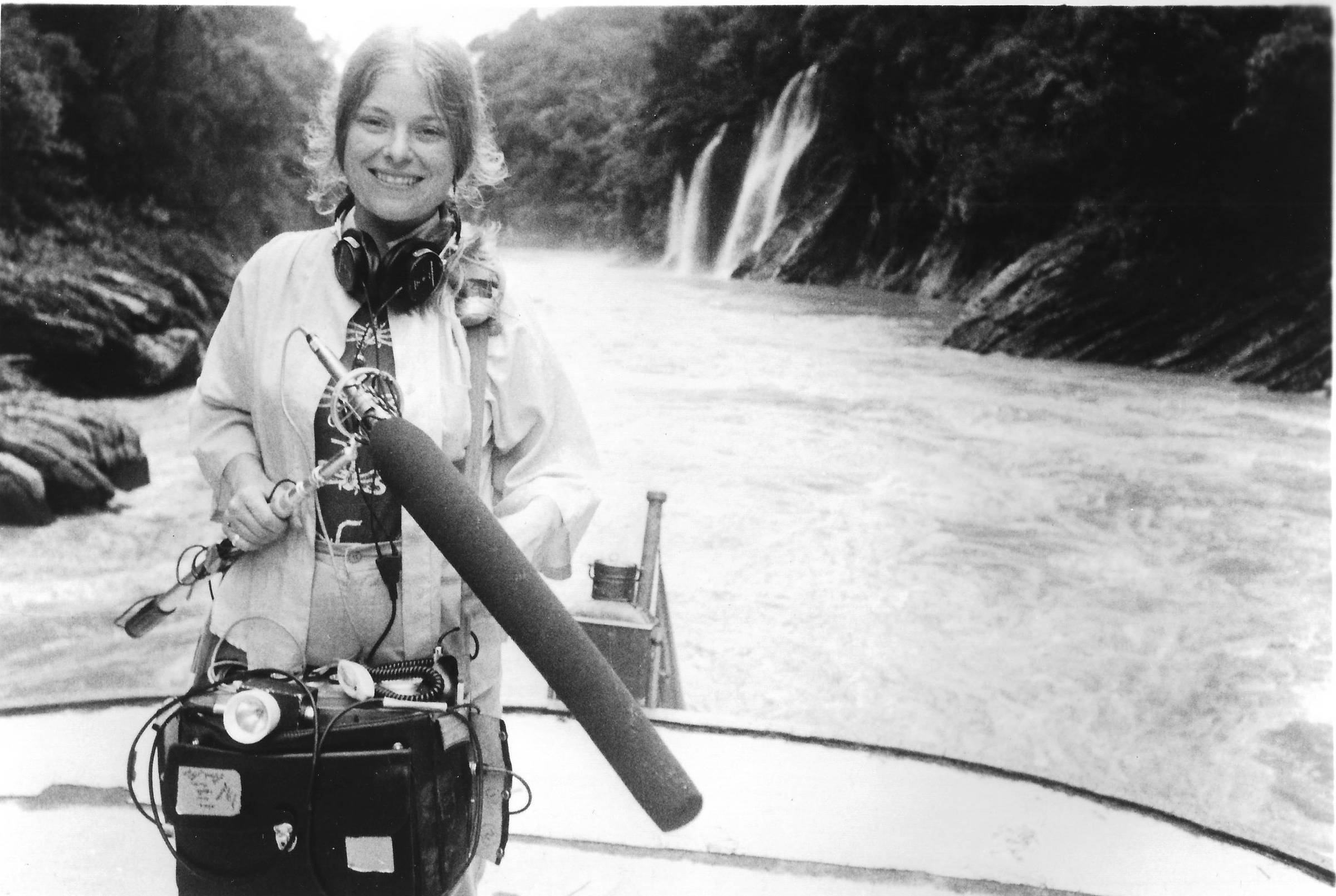
Maureen Gosling with a microphone on the Amazon
Photo: Les Blank

Made Burden of Dreams

モーリーン・ゴスリング

Editor, Sound Recordist

A documentary filmmaker since 1972, Maureen Gosling has worked as a director, producer, editor, sound recordist and distributor. Over a twenty-year collaboration with Les Blank on more than twenty films, she recorded the sound for Burden of Dreams and edited it — capturing the jungle, the conversations on set and Herzog's own words, and shaping them into a film.

Read more

Her work with Blank includes Garlic Is As Good As Ten Mothers, Gap-Toothed Women and I Went to the Dance. As a director she made The 9 Lives of Barbara Dane, about the singer and activist; This Ain’t No Mouse Music!, co-directed with Chris Simon; and Blossoms of Fire, about the Zapotec people of southern Oaxaca.

For the 2024 restoration she worked on quality control and assisted with the mix and audio adjustments. She was honored at the Centre Pompidou in 2023 and at the Berkeley Art Museum and Pacific Film Archive’s Les Blank retrospective in 2024, and is a member of the Academy of Motion Picture Arts and Sciences.

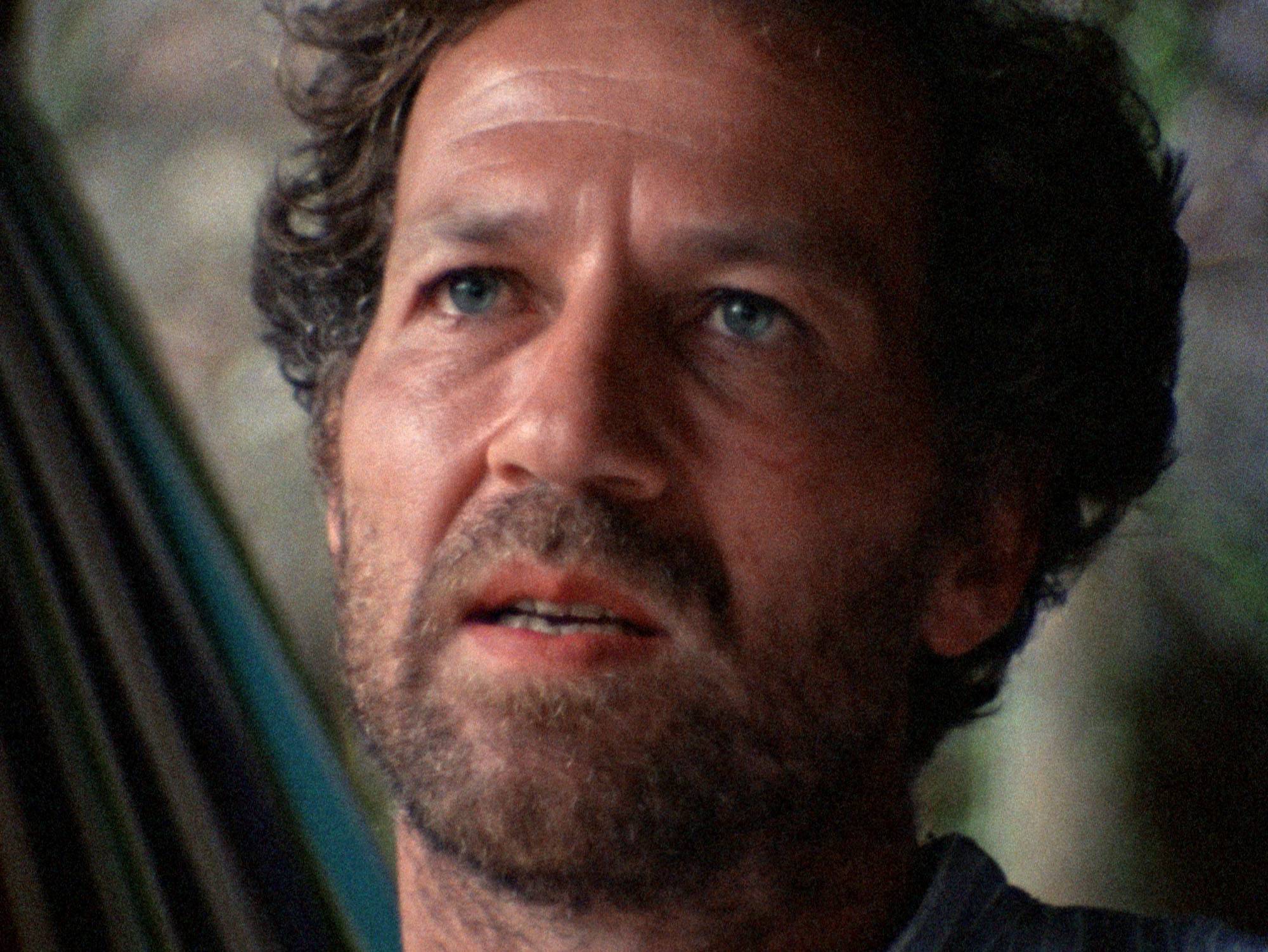
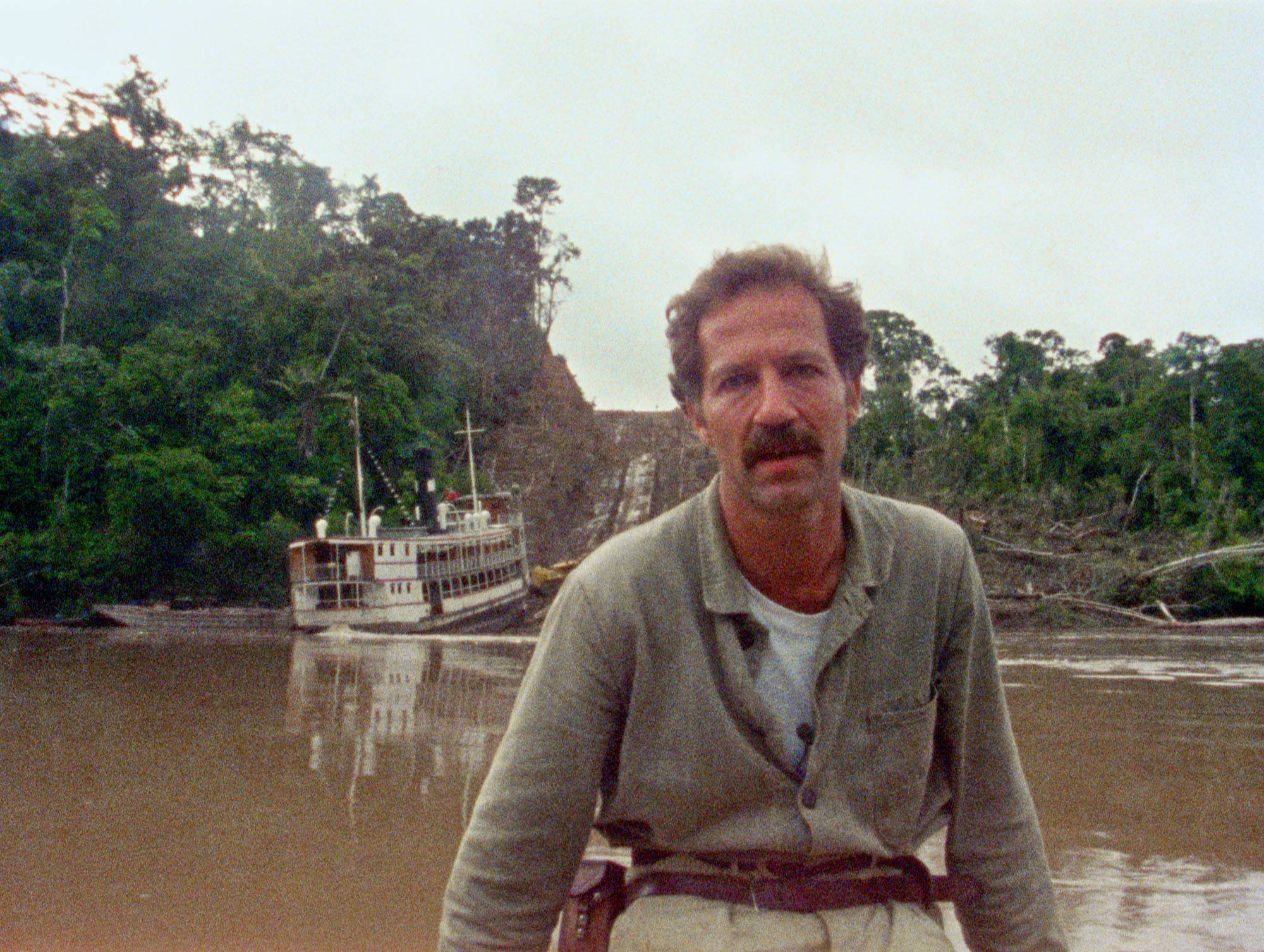
Close-up of Werner Herzog
Still from Burden of Dreams

Appears in the film

ヴェルナー・ヘルツォーク

Filmmaker, featured subject1942–

Born in Munich in 1942, Werner Herzog emerged as one of the defining figures of the New German Cinema with Aguirre, the Wrath of God (1972), The Enigma of Kaspar Hauser (1974) and Nosferatu the Vampyre (1979). Across fiction and documentary, he has returned again and again to people pushing against the limits of the possible.

Read more

Fitzcarraldo tells of a man possessed by the dream of building an opera house deep in the jungle. Inspired by the historical rubber baron Carlos Fermín Fitzcarrald, Herzog set out to film a full-size steamship being hauled over a mountain — without models or special effects. The finished film won him Best Director at the 1982 Cannes Film Festival.

Herzog did not make Burden of Dreams; he is its central subject. His persistence through every setback, and his candid reflections on the jungle and on his own work, form the heart of the documentary.

Klaus Kinski resting his head on his hand
Still from Burden of Dreams

Appears in the film

クラウス・キンスキー

Actor, Fitzcarraldo1926–1991

A German actor known for his volatile temperament and ferocious screen presence, Klaus Kinski made five films with Herzog: Aguirre, the Wrath of God, Nosferatu the Vampyre, Woyzeck, Fitzcarraldo and Cobra Verde.

Read more

Fitzcarraldo was originally being shot with Jason Robards in the lead. With roughly 40% of the film completed, Robards fell ill with amoebic dysentery and had to leave. His co-star Mick Jagger also withdrew because of scheduling commitments. Herzog brought in Kinski as Fitzcarraldo, dropped Jagger’s character, and began filming again.

Burden of Dreams records Kinski on set as production resumed after the change of leads. He appears in the documentary; he was not one of its makers.

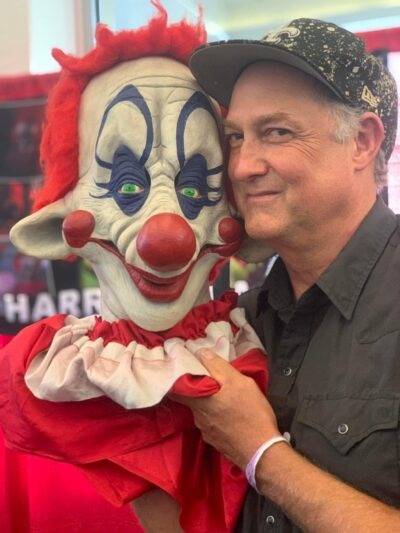
Harrod Blank smiling beside a clown puppet

2024 restoration

ハロッド・ブランク

Filmmaker, executive producer of the 2024 restoration

Les Blank’s son, Harrod Blank is a filmmaker and artist known for documentaries about art-car culture, including Wild Wheels.

Read more

Working with Les Blank Films, Inc. — the non-profit his father established before his death — he leads the preservation and re-release of Les Blank’s films. He was executive producer of the 2024 restoration of Burden of Dreams, a project that took two years to complete.

The following people were part of Fitzcarraldo. They appear in or are discussed in Burden of Dreams, but did not make it.

  • Claudia Cardinale

    Played Molly, Fitzcarraldo’s companion and backer. She is seen on set in Burden of Dreams.

  • Jason Robards

    The original Fitzcarraldo. He fell ill and left the production with about 40% of the film shot.

  • Mick Jagger

    Cast as Fitzcarraldo’s sidekick; he left because of scheduling commitments, and the character was cut.

  • José Lewgoy

    Played the rubber baron Don Aquilino in Fitzcarraldo.

  • Campa, Machiguenga and Aguaruna people

    Indigenous people of the Peruvian Amazon who took part in the production, including hauling the steamship up the hillside. Burden of Dreams also turns its camera toward their lives and culture.

Director, Producer, Cinematography
Les Blank
Editing, Sound
Maureen Gosling
Interpreting, interviewing, camera assistance
Bruce “Pacho” Lane
Interviewing, camera and sound assistance
Michael Goodwin
Narration written by
Michael Goodwin
Narration spoken by
Candace Laughlin
Editing assistance, office management
Chris Simon, John Lumsdaine
Research
Chris Simon
Translations
Francisca Wentworth, Inez Reider, Richard Becker

Source: 2024 press kit

Restoration

In 2024, Burden of Dreams was restored and remastered frame by frame at 6.5K, with new 5.1 sound — a project that took two years of meticulous work.

The restoration was executive produced by Les Blank’s son, Harrod Blank, and financed by Les Blank Films, Inc., the non-profit the director created before his death. Maureen Gosling, who recorded and edited the original film, worked on quality control and assisted with the mix.

Independent documentaries rarely receive the preservation resources given to studio films. When a film is carefully restored by the people closest to it, the memory of a moment — and of the people who lived it — is handed on to the next generation.

Restoration credits

Executive Producer
Harrod Blank
Financed by
Les Blank Films, Inc. (non-profit)
Conform and restoration (Diamant)
Anthony Matt
Color correction
Paul Cope
Audio restoration
Nick Bergh
Quality control, mix assistance
Maureen Gosling

Source: 2024 press kit

This describes the 2024 restoration. Technical specifications of the Japanese theatrical DCP will be announced once confirmed.

Japan Release

From CineYama to cinemas across Japan.

Premiere cinema

CineYama

117-1 Yatsusawa, Uenohara, Yamanashi, Japan

Premiere engagement

Confirmed
  • Opening first at CineYama, Yamanashi
  • Followed by cinemas across Japan

Ticket sales will be announced here.

CineYama website ↗Map ↗

Details marked “Planned” may change.

Participating cinemas across Japan will be announced here as they are confirmed.

Screening Inquiries

For theatrical bookings, festival screenings, and special events, please contact CineYama. We will be happy to share film materials and screening information.

  • Cinemas
  • Film festivals
  • Retrospectives
  • Universities
  • Cultural organizations
Contact us about screenings

Email

matthew@cineyama.com

Please include

  1. Cinema or organization
  2. Contact name
  3. Preferred dates
  4. Region / city
  5. Details of your inquiry

Press

For press materials, images, and interview requests, please contact us.

Press contact

CineYama LLC

matthew@cineyama.com

The press kit, poster and high-resolution stills will be posted here once they are ready. For urgent requests, please email us.

CineYama logo

Distributor

CineYama is an independent cinema in Uenohara, Yamanashi Prefecture. Housed in a long-unused former kindergarten that was renovated for the purpose, it opened in 2026. Alongside programming a wide range of Japanese and international films, CineYama also works as a distributor, bringing films to audiences across Japan.

Release news, screening schedules and related events are also announced on CineYama’s Instagram.